
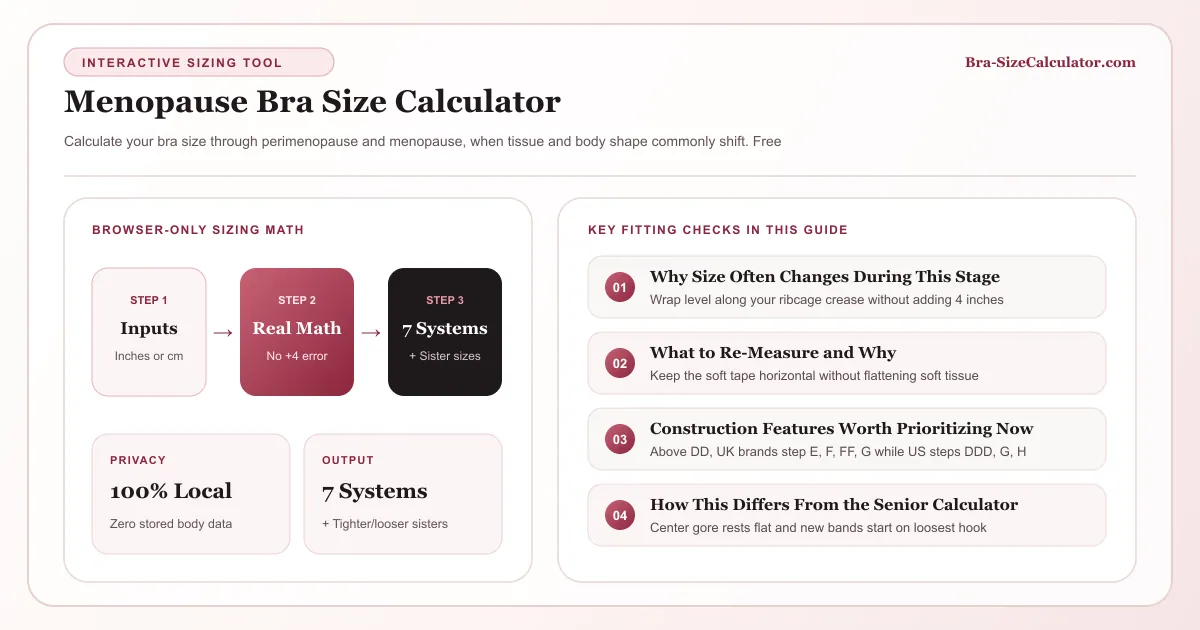
Hormonal changes during perimenopause and menopause commonly shift both breast tissue composition and overall body shape, which means the bra size you’ve worn for decades may no longer be the size that actually fits.
Why Size Often Changes During This Stage
Declining estrogen levels are commonly associated with a shift in breast tissue from denser, glandular composition toward softer, fattier tissue, along with changes in skin elasticity and overall body shape. The practical result for a lot of people: the same cup letter as before can sit differently, and the band that used to be correct can start riding up or digging in.
What to Re-Measure and Why
Both underbust and bust are worth re-checking, since either (or both) can shift during this stage independent of overall weight change. Enter your current numbers below rather than assuming your bra size from ten or twenty years ago is still accurate.
Construction Features Worth Prioritizing Now
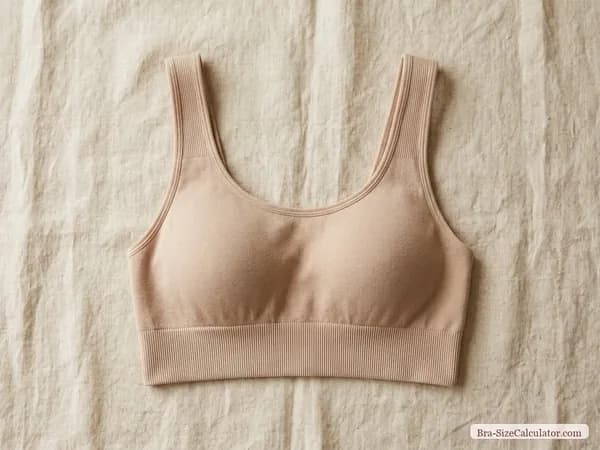
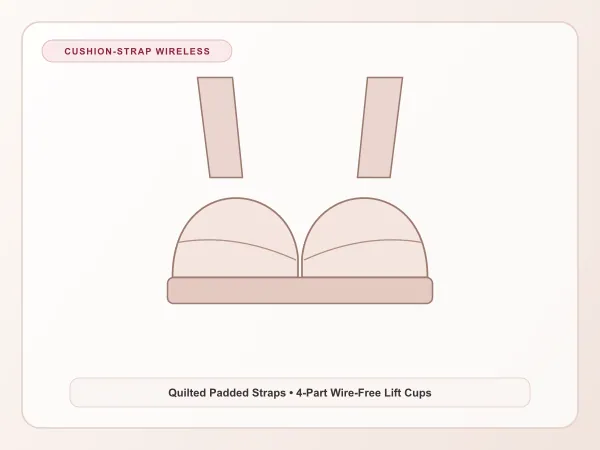
Wider bands and straps distribute weight more comfortably as tissue support changes, and softer or wire-free cup construction can feel notably better against skin that has become more sensitive. These aren’t “compromises” they’re simply the features that tend to matter more at this life stage.
How This Differs From the Senior Calculator
This tool and the Senior Bra Calculator sometimes get confused, but they’re addressing different things. This one focuses specifically on the hormonal and tissue-composition shifts of perimenopause and menopause, which can start well before what most people consider “senior” age, sometimes in the late 30s or 40s. The senior calculator focuses more broadly on comfort priorities that tend to matter more later in life, regardless of hormonal stage.
A Note on Timing
These changes rarely happen all at once. Tissue composition and band comfort often shift gradually over several years rather than in one noticeable jump, which is exactly why a bra that fit fine eighteen months ago can quietly stop fitting without an obvious single cause. Re-measuring periodically catches this kind of slow drift better than waiting for an obvious problem.
Why This is more than the Senior Calculator Renamed
Menopause-related changes can happen well before what’s typically considered “senior” age, and the tissue and density shifts involved are hormonally driven rather than purely age-related. This tool is framed around that specific cause, not a birthday.
What Actually Changes During This Transition
Declining estrogen during perimenopause and menopause is associated with reduced breast tissue density and elasticity for many people, which can shift both band comfort (skin and tissue around the ribcage can feel different) and cup fit (tissue composition changes can affect how a cup holds shape). These changes vary a lot in degree and timing between individuals.
How the Underlying Calculation Works
The math itself is identical to the Main Bra Calculator’s underbust-and-bust method. There’s no different formula for this life stage, just an acknowledgment that re-measuring during this transition tends to be more useful than assuming a size that worked for years still applies.
Construction Features Worth Prioritizing at This Stage
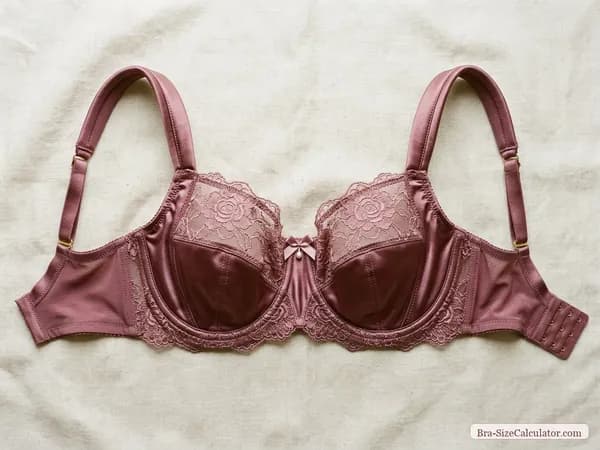
Softer fabrics for potentially more sensitive skin, wider bands for comfort without needing excessive tightness, front-closure designs for ease of dressing, and wireless or lightly-wired options if underwire has started to feel less comfortable are all common priorities during this transition, though personal preference varies enormously, and there’s no single “menopause bra” that fits everyone.
Comfort Priorities Can Shift Gradually
Preferences around wire, band tightness, and fabric softness often change gradually during this transition rather than all at once. It’s worth staying open to adjusting your usual choices rather than assuming your established preferences will stay fixed indefinitely.
Giving yourself permission to change long-held bra preferences during this transition, rather than sticking with what used to work, often leads to more comfortable choices.
A Final Note on Timing
There’s no wrong time to re-measure during this transition. Whenever your current bras start feeling off is the right time to check again, regardless of where you are in the broader process.