“No-show” is a fabric-construction term. It just means there’s no visible stitching line to show through a shirt. It says nothing about what happens to the shape underneath, which is the actual cause of a pointy silhouette at fuller cup sizes.
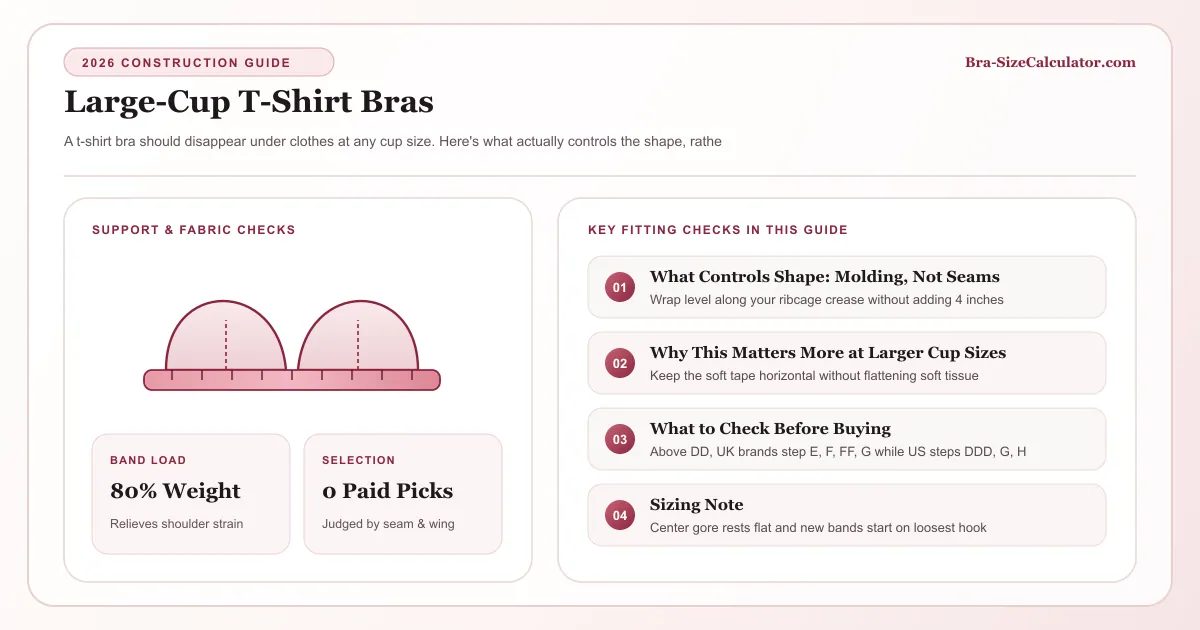
What Controls Shape: Molding, Not Seams
A molded cup is heat-formed into a rounded shape, usually with a thin foam backing, so it holds that shape regardless of what your natural silhouette does inside it. An unlined or lightly-lined cup (even a no-show one) lets breast tissue settle into whatever shape gravity and movement create, which is what produces the visible point or asymmetry under a fitted shirt.
Why This Matters More at Larger Cup Sizes
More volume means more tissue that can shift and settle unevenly without internal structure. At smaller cup sizes, an unlined no-show bra often looks fine because there’s simply less tissue to reshape. At fuller sizes, molding does real, visible work.
What to Check Before Buying
Look past “no-show” in the product title and read for “molded,” “contour,” or “shape-retaining cup” in the description. A genuinely large-cup-friendly t-shirt bra usually mentions cup structure explicitly, rather than only the outer fabric finish.
Sizing Note
Molded cups have less give than soft cups. If you’re used to unlined bras, expect to size up half a cup letter when trying a molded style for the first time, and adjust from there.
Padding Thickness vs. Molding
These are two separate specs that often get confused. Padding thickness is about how much extra fabric or foam sits inside the cup (affecting size and modesty coverage); molding is about whether that foam is heat-shaped into a fixed rounded form.
A cup can be thickly padded but unmolded (soft, shapes to the body) or thinly padded but fully molded (holds a fixed shape regardless of thickness). Check both specs separately rather than assuming one implies the other.
How Molded Cups Age Over Time
The foam inside a molded cup gradually loses its shape-holding ability after repeated wear and washing, generally over 6-12 months of regular use depending on care. A sign it’s time to replace: the cup no longer springs back to its rounded shape after being compressed, or you notice new wrinkling under a shirt that wasn’t there when the bra was newer.
Matching Cup Shape to Your Actual Shape
A molded cup is manufactured in a fixed shape, and that shape is designed around an assumed “average” breast shape for a given size. It won’t necessarily match every individual’s actual shape equally well. If a molded cup gaps at the top or sides despite the size being correct, the issue is often shape mismatch rather than sizing, and trying a different brand’s molded shape (rather than a different size) often solves it.
If you regularly wear both molded and unlined styles, expect to keep two slightly different sizes on hand rather than assuming one size works identically across both cup constructions.
Match Molded Cups to Your Shape as Well as Volume
A molded cup is a fixed shape. If that fixed shape doesn’t match your natural breast shape closely, you’ll see wrinkling, gapping, or a shape under clothing that looks visibly different from your actual silhouette, regardless of whether the size number is technically correct.
Seam Placement Affects the Smooth Look More Than Fabric Choice
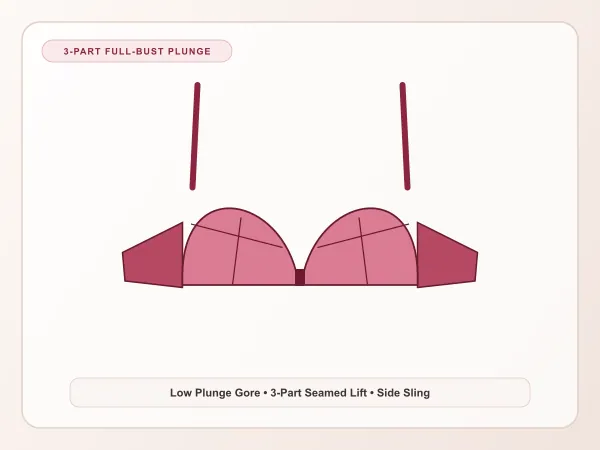
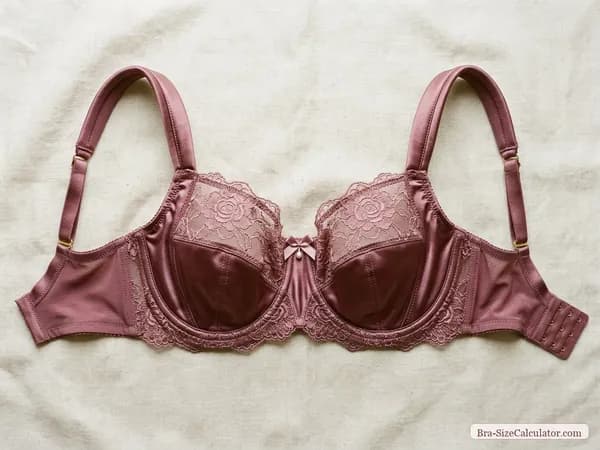
A single-piece molded cup gives the smoothest line under fitted tops, but multi-panel seamed cups can actually fit better at fuller volumes since the seams let the cup follow your shape more precisely. A small visible seam is often a worthwhile trade for genuinely better fit.
Color and Fabric Choice Affect the Smooth Look Too
Beyond cup shape, a nude or skin-tone-matched fabric under light-colored tops shows less than a contrasting color, and a matte rather than shiny fabric finish also reduces visibility under fitted fabric.
Building a Small Rotation
Owning two or three well-fitted t-shirt bras in different shades (nude, black, white) covers most outfit needs without relying on a single bra to work under everything.