Why “Best Brand” Isn’t a Fixed Answer
There’s no single brand that fits every large-bust body best, because fit depends on your specific band size, cup shape, and personal comfort preferences as much as brand reputation. What’s more useful than a brand name is knowing which engineering features indicate a brand takes larger sizes seriously, rather than only extending a small-cup pattern upward.
What to Look For in a Brand’s Construction
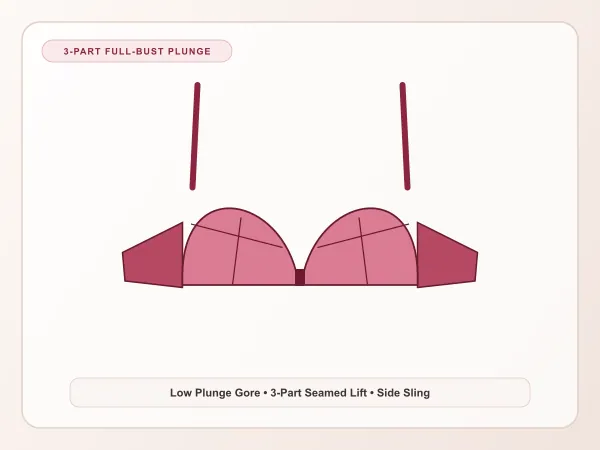
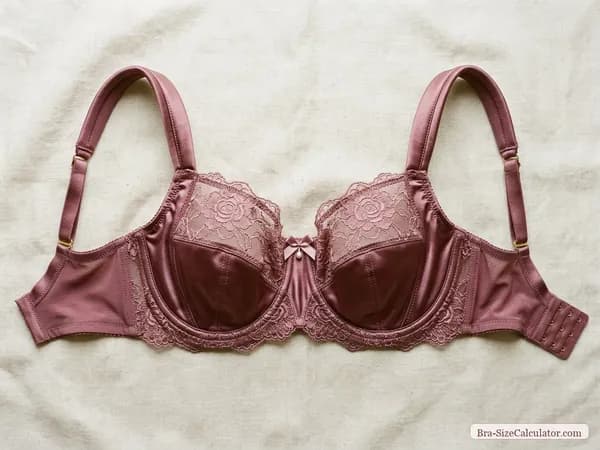
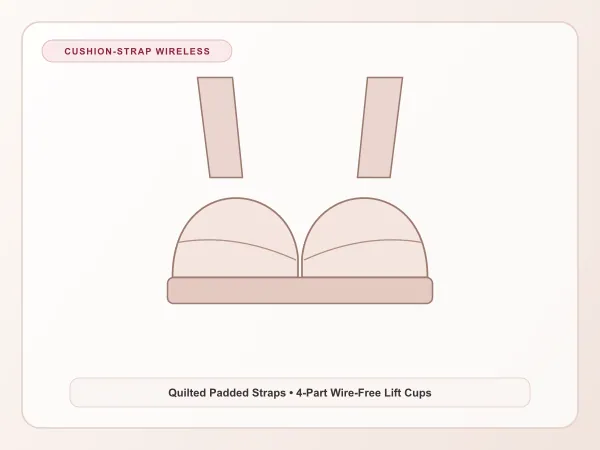
Genuinely specialty-focused brands typically offer wider bands with more hook-and-eye rows (giving more room to adjust as elastic stretches), reinforced side panels rather than a straight extension of a smaller pattern, and wider, cushioned straps as standard rather than an afterthought. Extended cup ranges that go well beyond a DD or E without changing quality are also a reliable signal. Some brands simply stop making meaningful engineering changes past a certain size.
How to Evaluate Any Brand for Yourself
Check the specific product’s construction details, not only its size range. A brand can offer large sizes on paper while still using thin straps or basic banding not built for the support that volume needs. Reviews from people at your specific size range are often more useful than general brand reputation, since fit quality can vary significantly between one brand’s product lines.
A Realistic Approach
Specialty lingerie retailers and brands that focus specifically on extended sizing generally invest more in size-appropriate engineering than mainstream mass retailers extending a standard line upward. That’s a more reliable starting signal than any single brand name, since even well-known brands vary in how seriously they treat larger sizes across their different product lines.
What Distinguishes a Large-Bust Specialist Brand
Brands that genuinely design for larger busts (rather than only extending a standard line’s size range) typically engineer wider bands, reinforced side panels, and cups with true structural support built in from the pattern stage. Not only bigger versions of a small-cup pattern.
A Real Red Flag to Watch For
If a brand’s “plus” or extended range is only their standard cup shape scaled up proportionally, support usually suffers. Cup volume doesn’t scale linearly with band size, so a properly engineered large-cup pattern looks structurally different from a small-cup one, not only bigger.
What to Look for Beyond the Size Range
A brand advertising “extended sizes” isn’t automatically well-engineered for larger busts. The real signal is whether they design cup shapes, band structure, and strap placement specifically for fuller volume, rather than simply scaling up a design built for smaller sizes. Genuinely specialized brands typically show this in details like reinforced seaming, wider straps as standard (not an upgrade), and multiple cup-depth options within the same band size.
Construction Signals of a Brand That Understands Fuller Busts
Look for brands offering multiple cup volumes within one band size (recognizing that two people with the same band can have very different shapes at the same nominal cup letter), wider band options as standard rather than an add-on, and genuinely reinforced construction at stress points like the underband and strap anchors. These details reveal whether a brand designed for this range or just extended their existing size chart.
Why Reviews From Similar Sizes Matter More Than General Ratings
A brand’s overall star rating doesn’t tell you much about fit at the fuller end of their size range specifically. Reviews from people in a similar band and cup size to yours are far more predictive of your actual experience than an aggregate rating across all sizes.
Being Realistic About Fit Testing
Even a genuinely well-engineered brand for fuller busts will have styles that don’t work for your specific shape. Brand reputation is a reasonable starting filter, not a guarantee that every style from that brand will fit you personally.