
This is an educational self-check, not a medical diagnosis. It references a commonly used fit framework (sometimes called the Regnault scale) that describes where the nipple sits relative to the crease under your breast. Useful for picking bra styles, not for any clinical decision.
Why Fitters Look at This At All
Two people can share the exact same band and cup size and still need completely different bra construction, because the position of the breast on the chest wall changes which styles actually support it well. That position (not your cup letter) is what this self-check describes.
What the Grades Mean, in Plain Terms
Grade 0 means everything sits above or at the crease. Most styles work fine.
Each grade after that describes progressively more tissue and nipple position below that crease line. None of the grades are a problem to fix. They’re simply different starting points for which construction (wider band, more structured cup, deeper coverage) will feel most supportive.
What Changes This Naturally
Age, weight changes, pregnancy, breastfeeding, and simple gravity over years all shift this position. It’s one of the most normal, expected changes a body goes through, not a sign anything is wrong.
If you have genuine medical concerns about breast changes, a doctor is the right resource. This tool exists purely to help you shop for a better-fitting bra.
What This Tool Is Not
This is an educational self-check based on a commonly referenced fit framework, not a medical or cosmetic-surgery diagnostic tool. If you’re considering a medical procedure or have concerns about sudden or unusual changes, that conversation belongs with a doctor. This tool exists purely to help you choose a better-fitting bra style, nothing more.
Why Position Changes Over Time
Skin elasticity, breast tissue composition, gravity, weight changes, pregnancy, and breastfeeding history can all gradually affect nipple position relative to the inframammary fold over years. This is a normal part of how bodies change over a lifetime, not a flaw or something that “should” be prevented. The goal here is simply matching your current shape to bra styles that actually support it well right now.
Where This Framework Comes From
This self-check references the Regnault ptosis grading system, a framework used in plastic surgery and fit consultations to describe nipple position relative to the inframammary fold (the crease underneath the breast). It’s a widely referenced descriptive scale, not something unique to this site. We’ve just made it accessible as a quick, private self-check.
Why Position Isn’t a Fixed Trait
Ptosis position shifts with age, weight change, pregnancy and breastfeeding history, and simply gravity over time. It’s one of the most normal, expected changes a body goes through, not a sign of anything wrong. Every grade on this scale describes a real, common, unremarkable stage that plenty of people are in at any given time.
How This Connects to Bra Construction
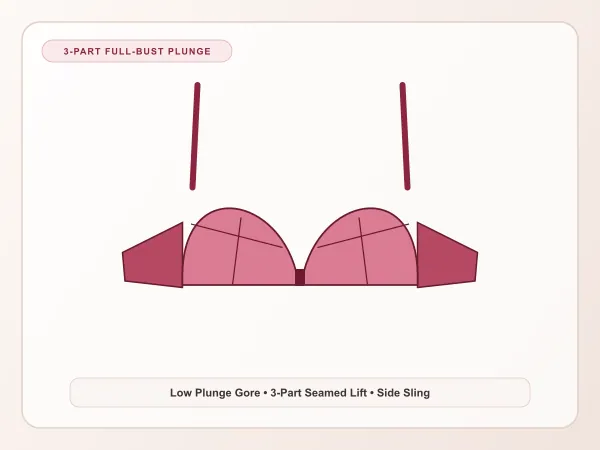
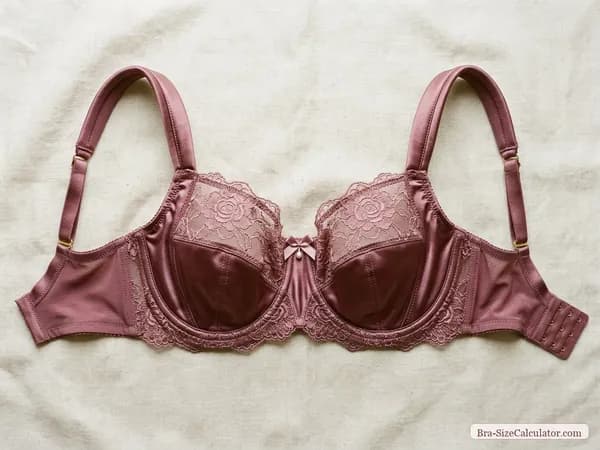
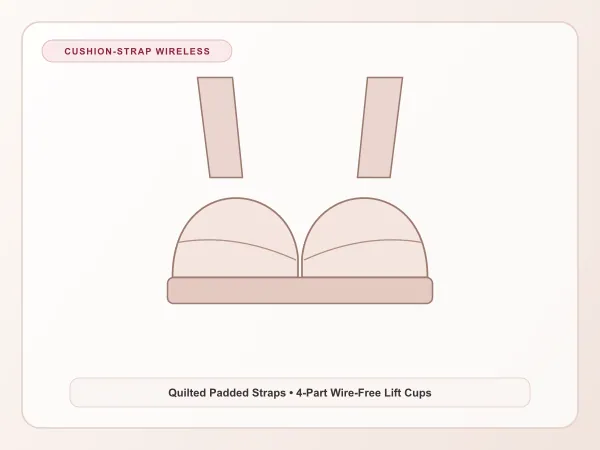
Different grades genuinely do call for different construction: less support is needed when the fold and nipple line up closely, while more band width, better under-support, and sometimes minimizer or full-coverage construction help more as position shifts further below the fold. This isn’t about looking a certain way. It’s about which construction actually holds tissue comfortably for your current shape.
A Final Perspective
This self-check is meant to inform bra style choices, not to create concern. Every grade on this scale is a normal, common stage that plenty of bodies are in at any given time, and none of them require any action beyond choosing construction that feels comfortable for you.
There’s no need to reassess this frequently. Checking again after a significant body change is more useful than repeating the self-check on a regular schedule.
A Reminder on Scope
This tool exists purely for fit-guidance purposes. It has no connection to any cosmetic or surgical decision-making context, and shouldn’t be treated as input for anything beyond choosing supportive everyday bra styles.