What Creates Support
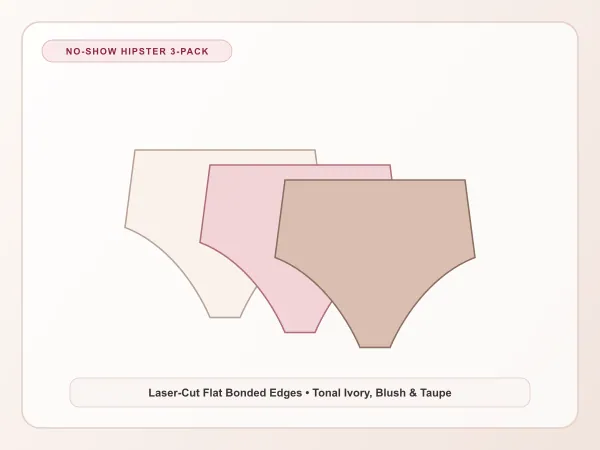
A high, wide waistband distributes pressure across more surface area than a thin band, which is why it feels supportive without digging in the way a narrow elastic edge does. Look for a front panel with a slightly denser knit or a double layer of fabric. That’s what creates gentle compression, not a special coating or feature name printed on the packaging.
Waistband Height Matters
A high-rise waistband that sits at or above the navel covers more of the midsection and tends to stay in place better during movement than a low-rise cut. If you find high-rise styles restrictive, a mid-rise with a wide band still offers more support than a low-rise style with a narrow one.
What to Check Before Buying
Check the fabric content for a blend that includes spandex or elastane. Cotton alone rarely holds shape or compression over a full day of wear. A double-lined front panel, visible as a slightly thicker section of fabric, is a reliable sign of real support construction rather than a style built purely for coverage.
Support Level Isn’t One-Size-Fits-All
Light support from a wider waistband and firmer knit works well for everyday comfort, while stronger compression from a denser double-layer panel suits situations where you want more noticeable smoothing. Neither level is objectively better. It depends on how much structure feels comfortable for the specific day and outfit.
How This Differs From Shapewear
Supportive underwear with a firm front panel offers gentle, all-day comfort-focused support, while dedicated shapewear uses stronger compression fabric specifically for smoothing under fitted clothing. If everyday support underwear doesn’t feel like enough for a specific occasion, that’s a sign to look at shapewear specifically rather than sizing down in supportive underwear for more compression.
Support Fades With Wear Over Time
Like any elastic-based garment, supportive underwear gradually loses some of its compression after repeated washing and wear. Replacing pieces every several months, rather than expecting the same support level indefinitely, keeps the actual support consistent with what the size and construction were designed to provide.
Panel Height Matters as Much as Compression
A high-rise panel that stops mid-torso can dig in and create a visible line, while one that extends further up distributes pressure over a wider area, often more comfortable for all-day wear even at the same compression level.
Panel Construction Explained
Support comes from a denser, less-stretchy panel of fabric sewn into the front of the garment, usually extending from the waistband down toward the lower abdomen. The panel’s height and the compression level of that specific fabric section (not the overall style name) determine how much actual support a given pair provides.
Compression vs Comfort Tradeoffs
Higher compression genuinely smooths and supports more, but also restricts movement and can feel uncomfortable for all-day wear if it’s stronger than you need. Choosing the lightest compression level that gives you the result you want, rather than defaulting to the strongest option available, usually leads to better long-term comfort.
Support Needs Can Change Day to Day
Bloating, activity level, and even time of day can shift how much support feels comfortable. Owning a couple of different compression levels rather than one single style gives more flexibility than committing to just one option.
There’s No Single ‘Best’ Answer
The right compression level and panel height depend entirely on personal comfort preference. What works well for one person can feel like too much or too little for another at the exact same measurements.